
There is no magical road to having a chilling and flavorful cider brewed whenever one wants, waiting for the set harvest of apples. Those are the enchantments apple cider concentrate brings to brewing. A simple shortcut it is not. It is a tool that allows the home brewer to retain control and offers an infinite number of ways to impart flavor. Whether it is an experienced brewer seeking out special blends or a beginner wondering about fermenting their first batch, apple cider concentrate puts both the ease and the fun front and center.
I’ll cover everything from choosing the right concentrate to the science of its sweetness (yes, we’re talking Brix values), the steps involved in brewing, and even how cider makers make money from this niche that is slowly picking up. On the way, I’ll trade relatable stories, examples, and analogies to keep the process fun yet practical.
What Is Apple Cider Concentrate?
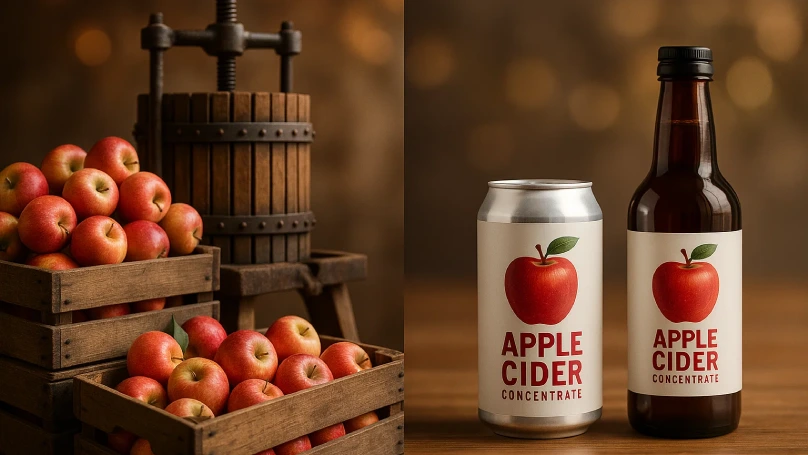
Think of apple cider concentrate as the espresso shot of apple juice. Rather than pressing an apple and drinking the juice immediately, cider producers remove much of the water through an evaporation process. What remains is a thick, syrup-like liquid rich with natural apple sugars and nutrients. Double the water, and you have your juice again-or better yet, allow yeast to work its magic and convert it into cider.
Concentrate is easy to store and convenient to use. Unlike fresh-pressed juice, which has to be consumed within a day or two, concentrate can last for months on the shelf (sometimes even for years). It is portable, predictable, and consistent-well past the qualities of fresh juice.
For homebrewers, this porentially means there is no more need to align brewing days with apple harvest. Having a can of concentrate in the pantry is akin to having an orchard in your pocket all year long.
If you’re curious about the broader health and nutritional side, check out our detailed guide on apple concentrate benefits.
Why Brewers Use Concentrate Instead of Fresh Juice
In reality, using concentrates is a savvy choice. Brewers have chosen them for four main reasons, more so at the home-base kind of brewing:
Convenience
With concentrates, it’s not apple season anymore. You don’t need to find a press or course fast before the juice gets spoiled. Put some cans on the pantry shelf, and anytime you feel like brewing, just do it.
Cost-Effectiveness
Imports of dollars for fresh juice for backyard cider-making can be quite costly. Concentrate is said to be a little cheaper per liter mix juice: save some while making great cider.
Flexibility in Brewing
Stronger cider, you say? Less water. Lighter, sweeter? More water! Concentrate offers ease as far as control of gravity and alcohol potential is concerned.
Variety of Flavors
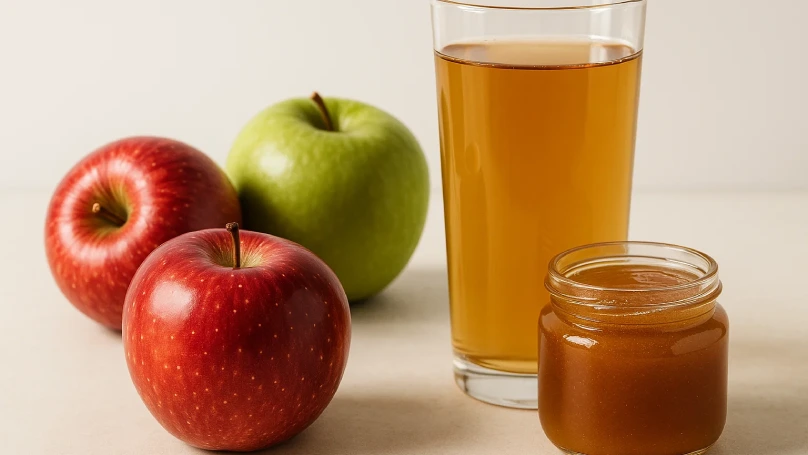
Depending on the kind of apple, the taste changes. Concentrate from bittersweet apples will deposit tannins and give some degree of depth. Concentrate from dessert apples like McIntosh will create a bright, crisp single-rate cider. They can mix and match to give hybrid blends.
Revenue Streams from Apple Cider Concentrate
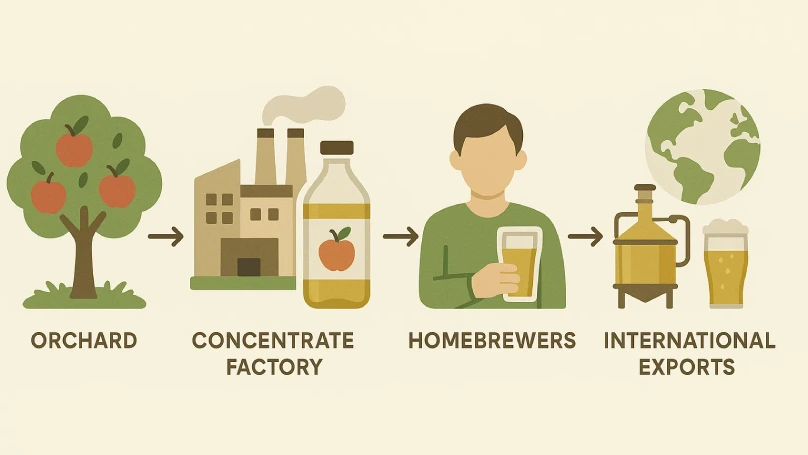
Apple cider concentrate isn’t just for hobbyists. It’s a growing business, powering both homebrewing and commercial cider industries. To see the bigger picture, here’s a table of revenue streams:
| Revenue Stream | Explanation |
| Direct sales to homebrewers | Small packs sold online or in brewing shops for personal use. |
| Wholesale to craft breweries | Bulk concentrate supplied to breweries that need consistency year-round. |
| Seasonal cider blends | Limited-edition ciders (pumpkin-apple, spiced holiday blends) made possible by stored concentrate. |
| Export opportunities | Concentrate is shipped globally to places without apple orchards. |
How to Choose the Right Concentrate
Not all apple cider concentrates are created equally. Depending on the concentrate you select, the quality could substantially impact your end results. As the base of your cider, you will want to consider three important elements before purchasing; ingredients, variety of apple, and sugar content.
Preservatives, 100% Juice
The number one rule of cider brewing is to never use a concentrate that has preservatives! Preservatives such as sodium benzoate or potassium sorbate inhibit yeast from forming, and the yeast is what creates fermentation, so it will sour your batch. Always read the label and ensure it says 100% apple juice concentrate and nothing else.
Apples and Flavor
Apples promote different attributes to cider, they come with a fruit spectrum as follows;
- Bittersweet apples: these apples have tannins and presence; good for traditional dry cider.
- Dessert apples (eg. McIntosh or Gala): contribute higher levels of sweetness and freshness, resulting in crisper, lighter ciders.
- Blended apples: many concentrators create blended concentrates in order to help keep a blend and flavor.
Knowing Brix Values
Brix can provide insight into the sugar levels and ultimately the alcohol that has potential. When sourced from a concentrate supplier, and before dilution, concentrates could be 65-70 Brix.
Reliable Sources and Trade Information
If you’re buying concentrate in bulk (e.g., full brewery or export), it’s good to know the trade classification for apple concentrate because you may need help with sourcing, importing, and exporting. For more information on how apple concentrates partition the world over, refer to our page on apple concentrate hs code.
If you remember the four components above you’re likely to avoid any surprises and get a closer step to crafting the cider flavor you want.
Step-by-Step Brewing Process with Concentrate
It is an easy operation to produce with concentrate, but you need some precision if you are going to produce a quality product. Dilute the concentrate as per the manufacturer’s instructions (generally six parts water to one part concentrate) with some leeway for your strength preference, with a slight variation if either a little stronger or somewhat lighter cider is preferred. Next, sanitize all equipment: fermenter, airlock, and spoons, since slight contamination can ruin an entire batch.
| Step | Action | Details |
| 1 | Dilute concentrate | Mix concentrate with water (commonly 6:1 ratio) to reach ~11 Brix. |
| 2 | Sanitize equipment | Clean fermenter, airlock, and utensils thoroughly to prevent contamination. |
| 3 | Mix ingredients | Add diluted concentrate, optional sugar, tannins, or yeast nutrients. |
| 4 | Pitch yeast | Add cider/wine yeast and stir vigorously to aerate. |
| 5 | Fermentation | Store at 15–20°C (59–68°F) for 2–4 weeks until bubbling slows. |
| 6 | Rack & clarify | (Optional) Transfer to secondary fermenter for clearer cider. |
| 7 | Bottle & carbonate | Add priming sugar for natural carbonation or force-carbonate in a keg. |
Conclusion
More than just a shortcut, apple cider concentrate is a reliable ingredient that paves the way for an easy, cheap and fully customizable way to brew – if you use concentrate you don’t need an orchard or an apple harvest, you just need an apple cider concentrate to make cider knowing that you can sweeten it, fortify it, creatively flavour it etc. Concentrate is the blank canvas of possibilities that puts control and creativity into the hands of the home brewer experimenting with a first small batch or the craft producer looking to develop recipes for consistency.
In the end, what makes brewing with apple cider concentrate special is the love story built between convenience and craft – it is making cider on your own terms.