

Have you ever reached for apple concentrate in your kitchen only to find the bottle empty? We all have done it. Apple concentrate is a true workhorse in the kitchen – it sweetens, thickens, and adds fruity complexity to your recipes. The good news is, you aren’t boxed in. If you know it’s an alternative, you can easily use white grape juice, pear juice, pineapple juice, or even the syrup from canned fruit. All of these substitutes also bring their own personality to the plate, like potluck friends who each bring something different.
This article will guide you through practical alternatives for apple concentrate, how to make your own at home, and give you insight into how these swaps can reframe your culinary story. You will find tables, tips, and relatable examples to help you feel more comfortable experimenting in your kitchen.
What is Apple Concentrate?
Consider apple concentrate to be essentially apple juice concentrated down towards higher solids and less water, creating a syrupy, thick, flavorful, and sweetened form of juice. It’s really just apple juice in a smaller, condensed, and concentrated form. Drinking a glass of apple juice can be refreshing and light, but apple concentrate is a relatively dense, sweet, powerful juice, and it will last. This is why apple concentrate is commonly used in baking, sauces, beverages, and in health products etc.
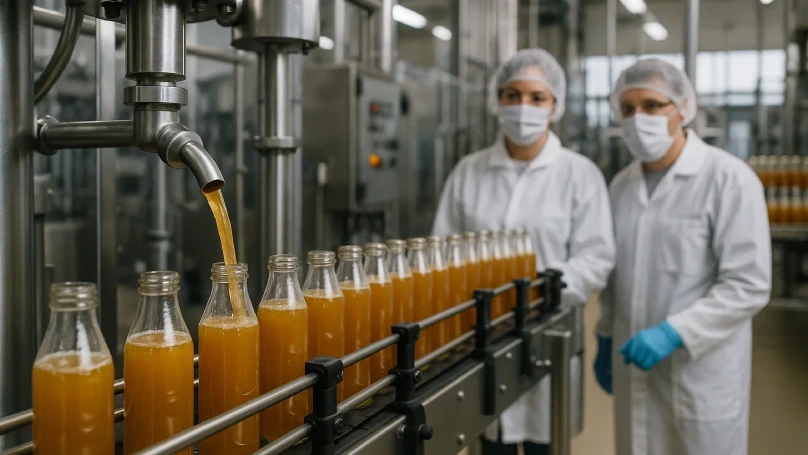
Typically, the processing involves pressing apples into juice, filtering, and then evaporating the majority of the water. This concentrate can then be held longer and exported around the world. To recreate apple juice, a company simply adds water back into the concentrate. There is more thought in the commercial food business for taking water out than putting it back in the beverage when contemplation of long distances is a concern for each product cost.
If you would like to expand your understanding of the topic with more specifics on product and commercial, then please check out our comprehensive article on what is apple juice concentrate.
Revenue Streams of Apple Concentrate Industry
Apple concentrate is not just a kitchen ingredient—it’s a global business. Let’s see where the money flows.
| Revenue Stream | Explanation |
| Food & Beverage Sector | Used in juices, sodas, and flavored drinks. |
| Baking Industry | Adds sweetness and moisture in cakes, cookies, and pastries. |
| Health & Wellness Products | Base for supplements, syrups, and wellness drinks. |
| Export & Trade | Apple concentrate is a big player in international fruit product markets. |
| Homemade DIY Market | Small-scale demand from home cooks and craft food makers. |
Apple Concentrate Alternatives
If you run out of apple concentrate, that does not always ruin your recipe. Rather, it presents opportunities for creative substitutes that can add a new facet to your cooking. The upside of many apple concentrate alternatives is that they are practical, versatile, and often easier to come by.
What is key is to understand what the concentrate is doing in your recipe. Is it being used to sweeten, deepen, or balance flavors? Knowing that will make it much easier to find a substitute.
The chart below demonstrates just a few of the most worthy apple concentrate alternatives and their advantages in the kitchen:
| Alternative | Flavor Profile | Best Uses | Notes for Substitution |
| Orange Juice Concentrate | Sweet, citrusy, slightly tart | Smoothies, baked goods, sauces | Adds a distinct citrus note; balance sweetness |
| Cherry Juice Concentrate | Bold, tart-sweet, deep fruitiness | Marinades, glazes, desserts | Strong flavor; use in moderation |
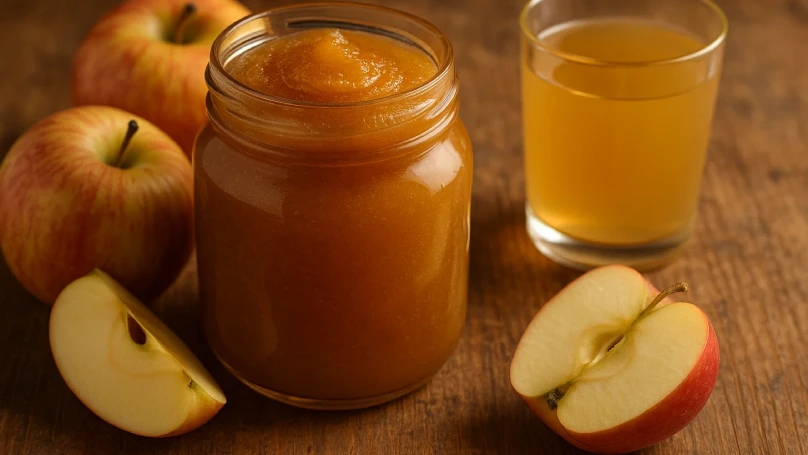
| Apple Puree | Mild, naturally sweet, apple-like | Baking (cakes, muffins), sauces, baby food | Adds moisture and body to recipes |
| Apricot Puree | Sweet with a mild tang, stone-fruit flavor | Sauces, jams, baked desserts | Softer sweetness; pairs well with cinnamon |
| Pineapple Juice | Tangy, tropical, bold | Meat glazes, Asian-inspired dishes, cocktails | Stronger flavor; use sparingly. |
| Canned Fruit Syrup | Sweet, syrupy, fruity | Muffins, cakes, jams, sweet sauces | Great for desserts; sweetness varies by fruit. |
Conclusion
Running out of an ingredient like apple concentrate doesn’t have to be a disaster for your recipe. It can be an opportunity. It’s an opportunity to look at all of your pantry items with new eyes, to recognize all of the flavor components, and to make the dish yours.
Being educated about the ingredients we use daily extends our experience as cooks, from what role they play in a recipe to the process of how they come to our shelves. We’ve considered exciting alternatives for home uses, but the commercial production of this ubiquitous ingredient is an equally exciting world.
The process from orchard to finished product relies on a network of producers around the world, and Tarazfoods, as an apple juice concentrate supplier and exporter in Iran, illustrates the process involved and the complicated supply chain involving many essential ingredients, utilized by kitchens and manufacturers globally.