
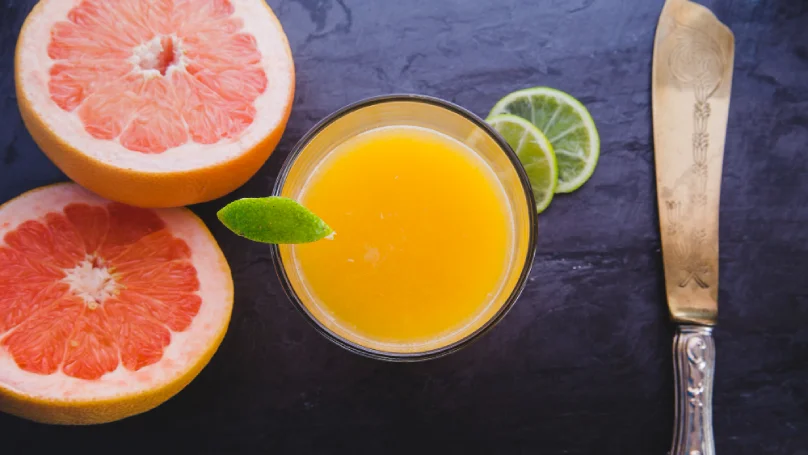
You have a craving for a refreshing glass of orange juice. You pour yourself a tall one and take an invigorating sip. But did you stop to think how that juice got from the orchard into the fridge, especially when oranges are out of season? The secret is juice concentrate, which keeps your favorite flavors abundant all year round.
Simply put, juice concentrate means juice from which most of the water is extracted, leaving only a thick syrup of intense fruit flavor. This is not merely for convenience; it is a brilliant marriage between time-honored traditions with modern food science. Farmers have preserved fruit for hundreds of years, but that outcome now allows one to enjoy the taste of sun-ripened produce almost anywhere and anytime.
However, concentration has become the center of controversy. Some swear by it for its cost and long shelf life, while others are adamant that it doesn’t taste nearly as good as fresh juice. Does it contain the same nutrients? How does it taste? And what on earth happens once the juice concentrate leaves the factory and makes its way to your breakfast table?
In this article, we will share all the inside information about juice concentrate, how it’s made, its advantages, and whether it deserves to be zoned into your kitchen. Get ready to rethink everything you thought you knew about that box in your fridge.
What is Juice Concentrate?
what is fruit juice concentrate? It’s kind of like making a soup, and you want it super-intense. You would probably let it simmer for a long time and reduce the liquid until you are left with a thick, strong broth. Well, juice concentrate is sort of like that. It is juice with most of its water taken out. You make it small for storage and cheap for shipping. Just rehydrate it when it is time to drink! It is like an illusion, putting a little liquid in and getting a huge amount of juice!
It retains its inherent flavor and nutrients for months. It’s like saving the fruit for a special occasion. It finds its way into many products, from your breakfast juice to sweets and even some recipes. Just snap and enjoy the taste of this fruit without the hassle of carrying and spoiling the real thing.
How Juice Concentrate is Made
Fruit juice concentrates are made from highly selected fruits. The washing, peeling, and crushing steps for juice extraction are all involved in the preparation of fruit juice concentrates. The juice extracted is subjected to filtration to remove pulp or solid residues and to yield a smooth liquid.
This juice is then pasteurized so that it will not have any microbial growth. The preparation of fruit juice concentrate is mainly centered around water removal. This is achieved mostly through vacuum evaporation, which amps the juice under low pressure so that water evaporates at lower temperatures, preserving its flavor and nutritional value.
The freezing of juice followed by the removal of ice crystals, which helps in bottoming up the water content without applying heat, is known as freeze concentration. Other methods include membrane filtration, whereby juice is passed through semi-permeable membranes separating the water from juice solids. All these techniques answer the question: how are fruit juice concentrates made?

Types of Juice Concentrate
Different types of juice concentrates are available for different purposes or tastes. Knowing these forms helps consumers make selections based on taste, convenience, and application.
- Frozen Juice Concentrate:
Frozen juice concentrate is said to be the oldest type, wherein juice is concentrated and frozen to keep it fresh because it is supposed to be reconstituted with water before it can be consumed. Very long shelf life, very cost-effective for households, and makes up most items in supermarkets.
- Liquid Juice Concentrate
Liquid Juice Concentrate comes as a syrup-like variety that is not frozen and would easily mix with water or another beverage. Very convenient to handle and store; widely accepted in the food and beverage industry. Preparation is simple, without the need for thawing.
- Juice Concentrate Powder
Juice Powder Concentrates are juice concentrates dried to a fine powder by either spray-drying or freeze-drying technologies. These are lightweight, easily stored and transported, and are commonly found in flavored drinks and nutritional supplements.
Whether cold-pressed, fresh–frozen, processed, or dried, juice concentrates have certain advantages relating to various conditions and requirements, both commercially and domestically.
Advantages and Disadvantages of Juice Concentrate
Juice concentrates have many advantages that attract both consumers and manufacturers. The most important benefit is their long shelf life; due to the absence of water, the juice is less susceptible to microbial growth and spoils after a long period. Concentrates are particularly convenient for those areas where it is hard to get fresh fruit during certain periods of the year.
But juice concentrates, too, have some serious drawbacks. The heat treatment during the concentration process affects heat-sensitive nutrients. Most of the time, vitamin C is destroyed during the process. Furthermore, most commercially available juice concentrates have sugars, preservatives, and artificial flavors added to them to optimize taste and improve storage stability, which are unhealthy when consumed in greater amounts cause problems like obesity and diabetes.
Here’s a table summarizing the advantages and disadvantages of juice concentrates:
| Advantages | Disadvantages |
| Extended shelf life due to reduced water content | Potential loss of heat-sensitive nutrients like vitamin C |
| Lower transportation costs owing to reduced volume and weight | May contain added sugars, preservatives, and artificial flavors |
| Retention of essential vitamins and minerals | Lack of dietary fiber compared to whole fruits |
| Convenience and affordability for consumers and manufacturers | Can cause rapid spikes in blood sugar levels |
| Fortification with additional nutrients like calcium or vitamin D | May contribute to health issues like obesity and diabetes when consumed in excess |

Is there sugar in fruit juice concentrate?
100 percent fruit juice concentrate does indeed contain sugar, but these are naturally occurring sugars found in the fruit itself. According to the U.S. Food and Drug Administration (FDA), when fruit juice concentrate is made as 100 percent fruit juice, those sugars are not considered “added sugars” on the nutrition label. This is important because added sugars are sugars that are added to food during processing and are often table sugar or any type of syrup, and have many health concerns associated with them. If you’re looking for specifics on your question, be sure to check out the article does fruit juice concentrate have added sugar.
in summary
Discovering juice concentrate intricacies led to processes that turn fresh fruits into easily stored and long-lasting products. Understanding juice concentrate preparation shows how natural flavor preservation and shelf-life extension can be manipulative trade-offs. Being less space-consuming and available throughout the year does not mean consumers should overlook the difference between natural and added sugars in different products.
Education on these differences allows the consumer to make a conscious choice consistent with their health goals or personal preferences. The food industry continues to evolve, and an informed consumer base allows us to partake in juice concentrates without sacrificing a balanced and nutritious diet.
Tarazfoods is the wholesale fruit juice concentrate supplier and provides customers with a wide variety of products including fruit juice concentrates, purees, and Drinks exporter in iran. Tarazfoods is the primary choice for customers since they always maintain quality control and provide products of international standards.


